Operations
Paying in China: What to Tell Clients Before They Fly
Vb China DMC Team · · 5 min read
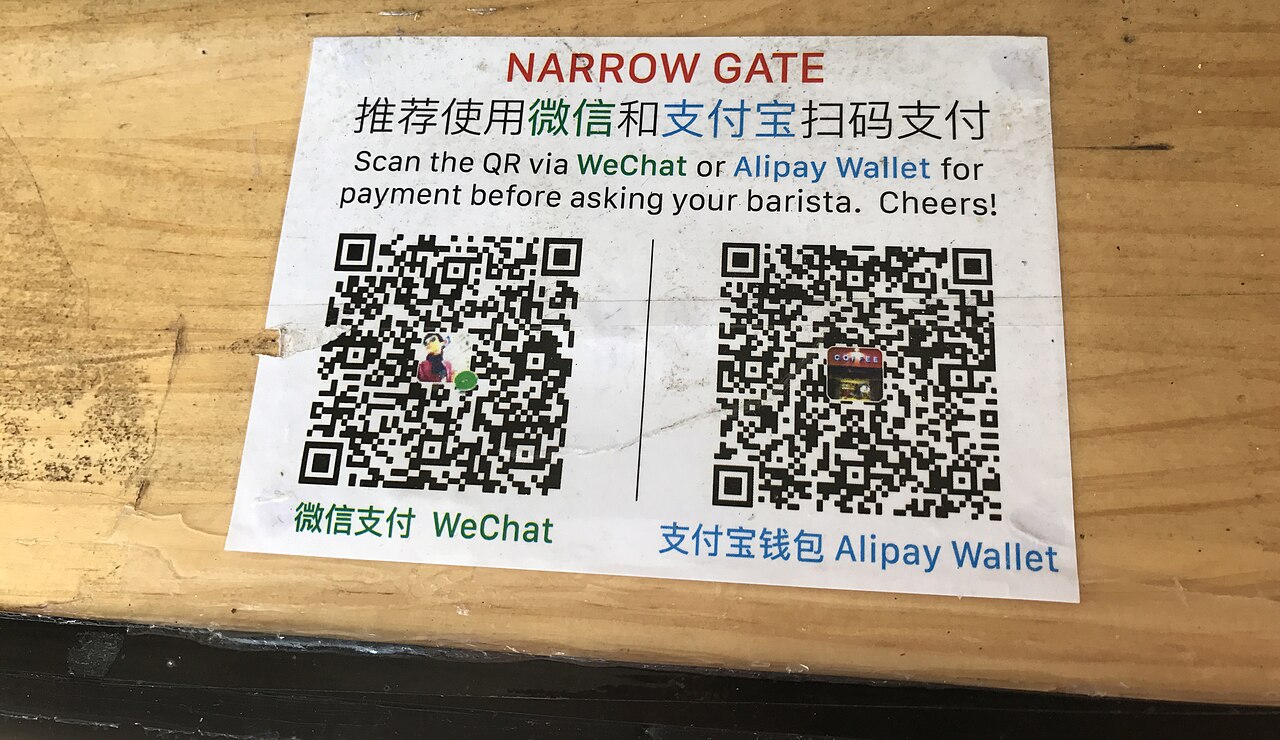
The most common thing a first-time China client gets wrong is not the visa. It is paying for lunch. China runs on QR-code payments, and a client who arrives with only a credit card and a wallet of cash can find small restaurants, taxis and market stalls harder than they expected. Five minutes of setup before departure solves it.
What changed
Until 2023, Alipay and WeChat Pay, the two apps that handle most everyday payments in China, effectively required a Chinese bank account. That changed in July 2023, when both began letting foreign visitors link international cards, including Visa, Mastercard, JCB and Discover, directly to the app and pay wherever the services are accepted. Since then both have continued to simplify card linking for visitors.
The setup to brief
- Install Alipay before departure and register with the client’s own mobile number.
- Link an international card in the app and complete the passport verification. Verification raises the limits and prevents payments being blocked mid-trip.
- Add WeChat Pay as a backup. Some merchants take one app and not the other, and a second app solves a failed payment on the spot.
- Tell the card issuer the client will be paying in China, and carry a second card from a different issuer.
Fees and limits
Small payments are generally fee-free, and larger payments with a foreign card typically carry a fee of around 3%. Limits per transaction and per year apply to foreign cards and are higher once the passport is verified. Both are set by the apps and change, so the client should check the current terms in the app before a large purchase.
Where cards and cash still work
International hotels, large malls and department stores generally take cards directly. Cash remains legal tender and is a sensible backup, but small vendors may struggle with change. Our advice to clients: a modest amount of yuan for emergencies, two apps and two cards.
What we cover for your clients
Group entry tickets, transport, guides and pre-paid meals are settled in advance, so day-to-day payments are only for personal spending. Every client gets pre-departure notes covering app setup, eSIMs, the apps worth installing and the online arrival card.
Client briefing checklist
- Alipay installed, card linked, passport verified before departure.
- WeChat Pay added as a backup.
- Card issuer told about travel to China; a second card packed.
- A small amount of cash in yuan for emergencies.
- A data plan or eSIM that works in China, so the apps can load.