Source Markets
Halal Travel in China: Planning a Muslim-Friendly Itinerary
Vb China DMC Team · · 6 min read
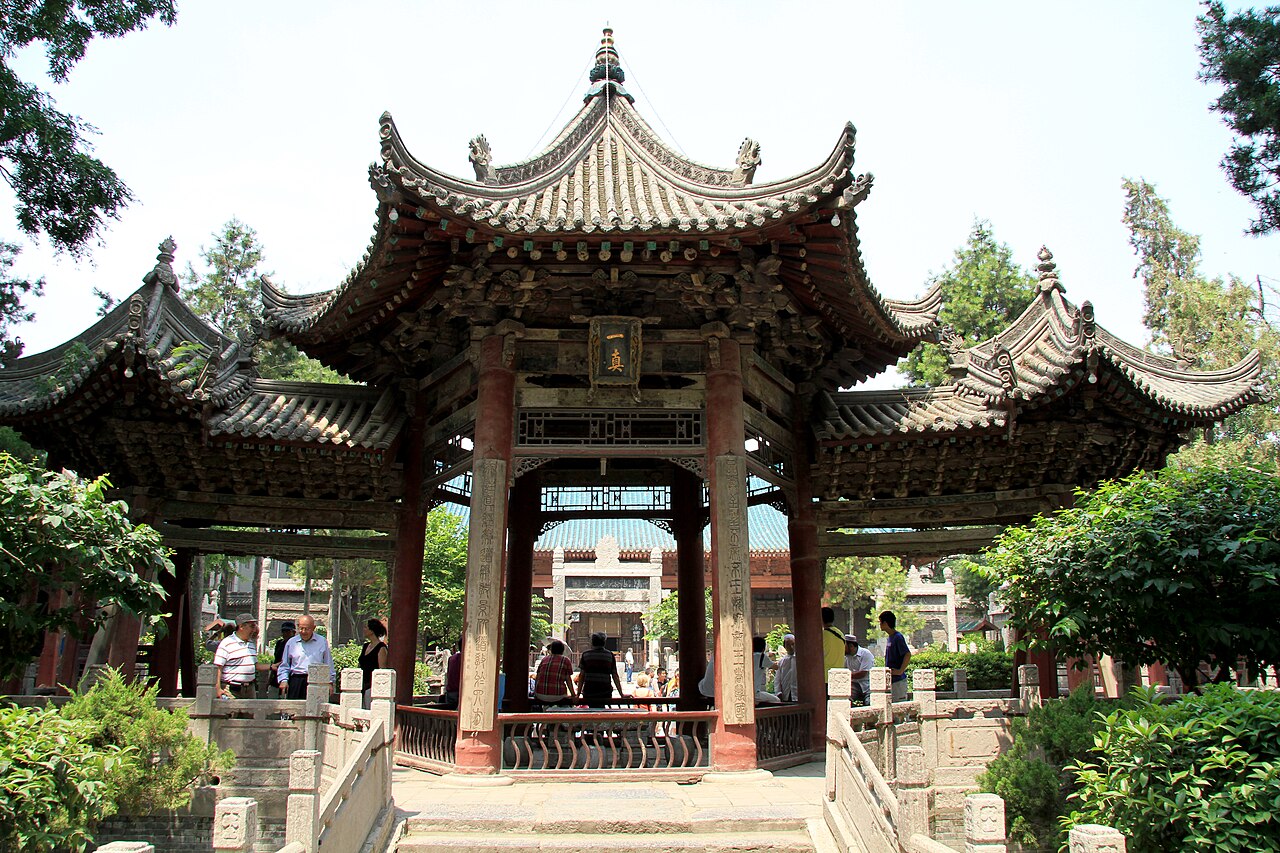
For agencies in the Gulf, Malaysia, Indonesia and Brunei, the question that decides whether a China trip sells is not the visa. It is whether the client can eat properly every day. On the right route, the answer is yes, and more easily than in many destinations clients already book.
China has a Muslim food culture of its own
China’s Hui Muslims, a Chinese-speaking Muslim people found across the country, have run halal restaurants for centuries. Look for 清真 (qingzhen) on restaurant signs: it means halal. The Hui heartland runs through the northwest: Gansu, around Lanzhou, and Ningxia, which is the Hui autonomous region. There, halal is not a special request; it is ordinary local food.
Where halal is the norm
- Xi’an. The Muslim Quarter near the Bell Tower is a Hui neighbourhood of food streets: yangrou paomo (lamb and bread soup), roujiamo and lamb skewers. The Great Mosque on Huajue Lane, traditionally dated to 742, is built as a Chinese temple complex.
- Beijing. Niujie, the historic Muslim quarter, centres on Niujie Mosque, founded in 996. Halal hotpot and roast lamb are part of mainstream Beijing dining.
- Lanzhou. Lanzhou beef noodles are a Hui dish and the city’s breakfast.
- Yinchuan and Ningxia. Halal dining is the default across the region.
- Guangzhou. A Hui community dating back to Arab traders, plus large Middle Eastern and African trading communities.
Where it needs planning
Smaller tourist towns, including Zhangjiajie and Dunhuang, have halal restaurants but fewer of them. We name the restaurant for every meal before we price, use packed meals on long desert or mountain days, and use hotel kitchens where needed. Leaving it to the guide on the day is how dietary problems start.
Prayer, pacing and Ramadan
- Build prayer time into the day’s pacing rather than squeezing it in.
- Keep Friday for a mosque visit where dates allow: Xi’an, Beijing and Yinchuan all work well.
- For Ramadan departures, pace sightseeing for the morning and evening, plan iftar restaurants in advance, and keep afternoons light.
Entry for Muslim-majority markets
Saudi Arabia, Oman, Kuwait and Bahrain are on China’s unilateral 30-day visa-free list, currently published to 31 December 2026. The UAE, Qatar, Malaysia and Brunei are visa-free by mutual agreement or unilateral entry. Indonesian clients can use the 240-hour transit when flying on to a third country, or apply for a visa for longer trips.
Operational checklist
- Choose a route through the Hui heartland, or plan named restaurants where it is thinner.
- Fix every meal before pricing, including packed meals for long days.
- Pace each day around prayer times; keep Friday for a mosque where possible.
- Check Ramadan dates against the departure and adjust pacing.
- Confirm entry route by passport, and flag the 2026 deadline for unilateral countries.
See the Halal Silk Road itinerary and the GCC market page.